
Skip to content

Stoneman Law · Westcliffe, Colorado · Securities arbitration since 1986

The brokerage firm has a legal department. You have me.

I’m Tracy Pride Stoneman. For more than thirty years I have done one kind of law — recovering investors’ money from brokerage firms — and I have done it one way: myself, start to finish, on cases I’m prepared to try. Millions recovered. Nationwide.

Tracy Stoneman Sun to Sat, 7 AM to 4 PM Mountain
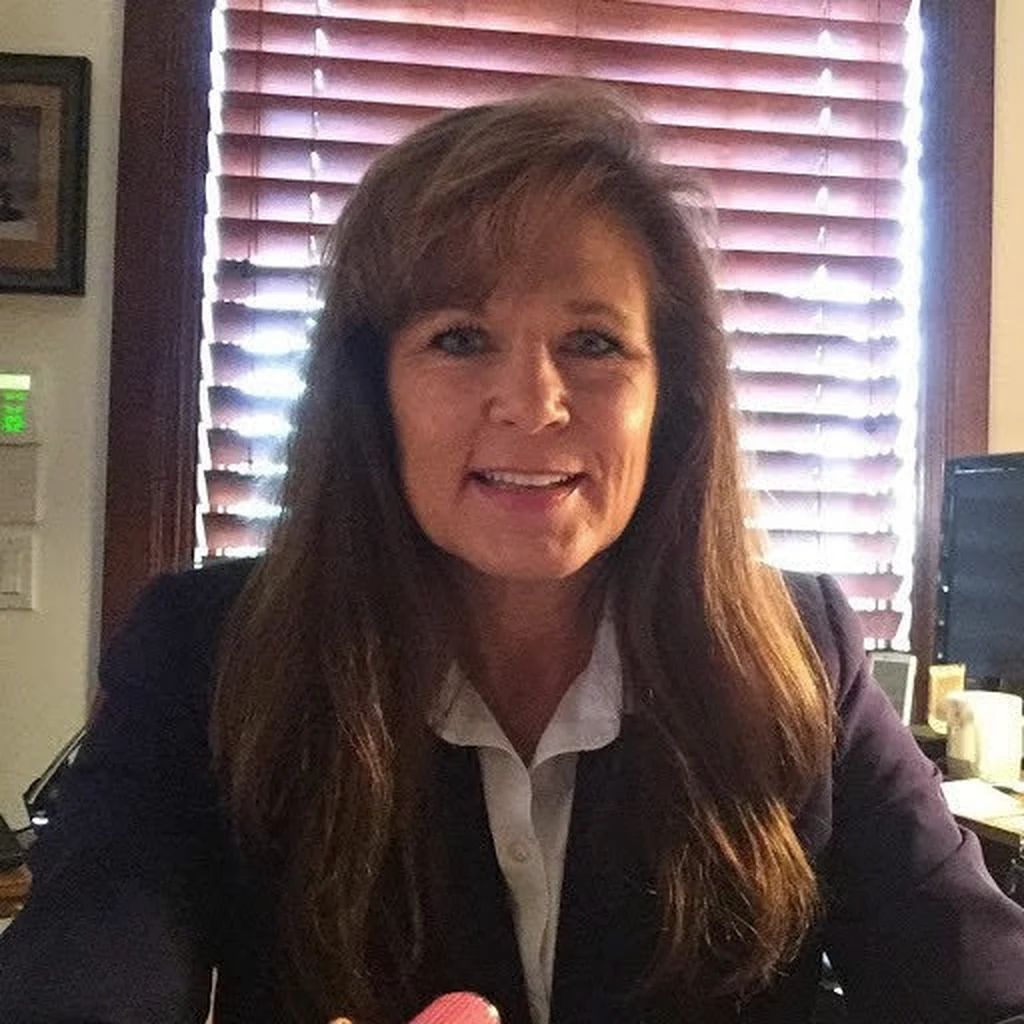
Tracy Pride Stoneman, securities arbitration attorney, at her desk
Tracy Pride Stoneman

The Wall Street Journal

Front page, business section — March 1994

Fifth Circuit precedent

Kramer v. Smith Barney, 80 F.3d 1080

PIABA

Member since 1990 · Board of Directors, 1999–2005

The other side of the bench

Former municipal judge & NASD/NYSE arbitrator

The question

“Why hire Tracy Stoneman versus some other securities lawyer?”

Fair question — I’d ask it too. When I started doing securities litigation exclusively, I had very little competition. That’s why I own the two domains you may have arrived through: brokeragefraud.com and investorfraud.com. Thirty years later the internet is full of fancy websites claiming the specialty. So ask any of them three questions:

01

Will your lawyer actually try the case?

Far too many of my competitors take cases they never intend to take through arbitration — then settle for cents on the dollar. I will not take any case unless I am willing to go all the way through the entire litigation process. The firms know which lawyers fold. They also know which ones don’t.

02

Who actually does the work?

At the big securities firms, your case is handled by younger associates and legal staff. Here, I perform 100% of the work on your case. Thirty years of exclusive, hands-on securities litigation — and I purposefully keep my caseload small so it stays that way.

03

Is securities litigation all they do?

Many firms that appear to do securities litigation also dabble in personal-injury work. I do exclusively securities litigation. Nothing else. Since 1986.

Answers matter more than websites. Mine are above — and the record below is how I back them up.

The unfair advantage

I wrote the book on brokerage fraud.
Literally.

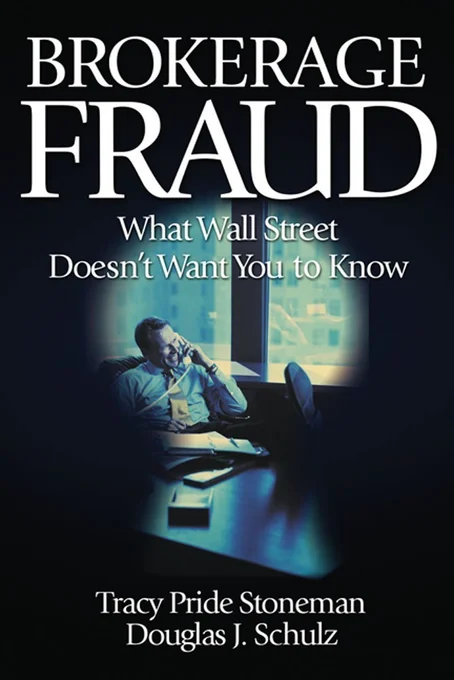
Brokerage Fraud: What Wall Street Doesn’t Want You to Know (Dearborn Trade, 2002) — co-authored with my husband, Douglas J. Schulz, one of the country’s most sought-after securities expert witnesses. Lawyers are trained in law, not securities. I married my expert. When Doug assists on my cases, he charges nothing — a resource no other solo securities lawyer in the country can offer.

“They make enough of a case to get even very trusting investors to (wisely) think thrice about any broker’s advice.”
— Robert Barker, BusinessWeek
Brokerage Fraud: What Wall Street Doesn't Want You to Know — book cover
Dearborn Trade · 2002
The Sangre de Cristo range seen from Tracy Stoneman's ranch outside Westcliffe, Colorado

Counsel, off the clock

Opposing counsel works from a glass tower. I work at 9,000 feet.

Home is a 160-acre ranch in the Sangre de Cristo range outside Westcliffe, Colorado — named for the red glow the peaks take at dawn. Doug and I share it with two malamutes, a multi-year forest-restoration project featured in a University of Colorado documentary, and the occasional orphaned bear cub: we funded “Bear Haven,” an enclosure where cubs grow up wild before release.

Clients tell me I’m cheerful and easy to work with — “unlike most lawyers I know.” I take that as the compliment it is. The aggression is reserved for the hearing room.

More about Tracy
Tracy Stoneman at home on the patio at her Colorado ranch
The ranch · Westcliffe, Colorado · elev. 9,000 ft

In their words

Clients, verbatim.

“Undoubtably the finest arbitration attorney I've met to date!”

— David S.

“Tracy was a wonderful lawyer in my and my husband's huge case against Prudential Securities. She was relentless in going after the stockbroker and firm, determined to obtain all of the documents that helped our case and hurt theirs (that's why the firm didn't…”

— Carolyn W.

“Tracy P. Stoneman of Stoneman Law is a brokerage fraud attorney. I highly recommend Mrs. Stoneman. She is very efficient and professional. She is an excellent attorney who handled my case when other attorneys rejected my case. Mrs. Stoneman is extremely…”

— Elizabeth R.

Straight answers

What investors ask me first.

Including the answer some lawyers won’t give you: sometimes the right advice is don’t file. I’ve spent weeks evaluating cases and then advised against pursuing them — free. That’s the cost of doing this work honestly.

All questions & answers
Do I have to go to court against my brokerage firm?

No — and in most cases you cannot. The United States Supreme Court ruled in 1987 that brokerage firms can require customers to sign binding arbitration agreements, so nearly all investor disputes go through FINRA arbitration rather than court. That is actually good news: arbitration takes far less time than court, costs less (depositions are rarely allowed), and the result is final — brokerage firms have very limited rights to appeal.

Why hire a lawyer at all? Can I represent myself?

You can, but the numbers are brutal. In FINRA statistics for 2015 and 2016, pro se claimants who took their cases to hearing won only 8% of the time, compared to a 52% win rate for claimants represented by counsel. Securities arbitration has its own rules, procedures and gamesmanship — half the battle is forcing the brokerage firm to produce the documents that hurt them.

What does a case evaluation cost?

Nothing. I evaluate cases for free, and the evaluation has no downside other than your time. Sometimes after reviewing documents I advise that no action should be taken — and you come away knowing an experienced securities lawyer evaluated your case. More often, you learn whether you have a case worth pursuing, considering damages, strength of liability, and collectability.

How are you paid?

The choice is yours — not the lawyer's. I take cases hourly, on contingency (I am paid a percentage only if you recover), or on hybrid arrangements: for example, hourly through the discovery phase, then switching to contingency; or a lower hourly rate paired with a lower contingency percentage. Colorado ethics rules require that clients be informed they have the right to choose the type of fee arrangement.

Your move

A free evaluation has no downside other than your time.

Tell me what happened. I’ll tell you — honestly — whether you have a case worth pursuing, what it could recover, and every way I can be paid, including contingency: nothing unless you recover.

Representing investors and stockbrokers nationwide · Westcliffe, Colorado